A child who leaves school during displacement often never returns. The gap widens, the family needs the labour, and by the time the emergency is declared over the classroom has stopped being an option. Protecting continuity of learning is therefore one of the most durable things a humanitarian response can do.
Materials first, then teachers, then systems
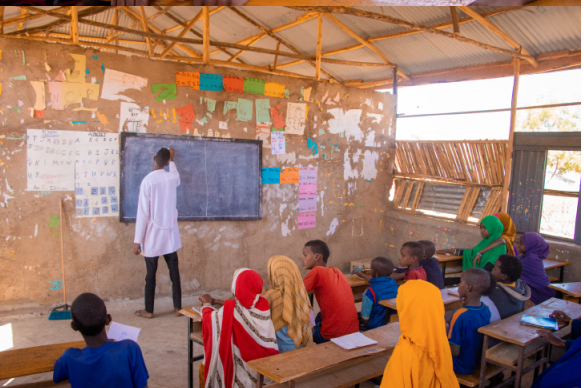
The sequence matters. Textbooks and learning materials reached 127,000 students, because a class cannot function without them. Then 150 teachers and education officials went through capacity building, so the quality of teaching keeps pace with the number of pupils. In total more than 200,000 school aged children have been supported.
Protection sits inside the school day
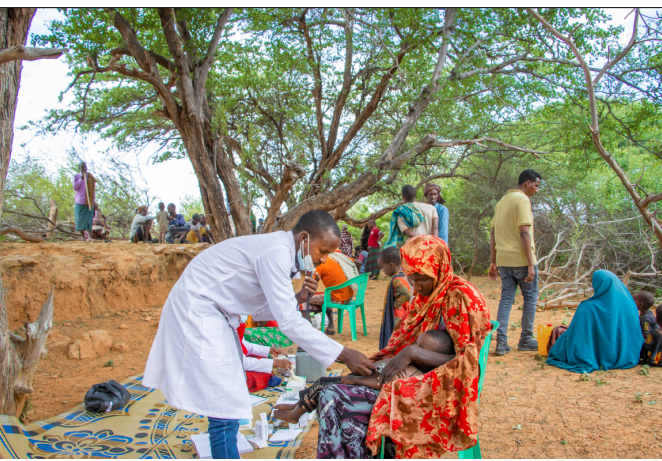
Schools are also where protection risks become visible. Working with caregivers and local officials, AID provided protection services to 21,000 conflict and drought affected children, women, men and their caregivers. Referral pathways are agreed in advance with local authorities so a case identified on a Monday is not still waiting on a Friday.
Enrolment tells you a child arrived. Attendance three months later tells you the response worked.