AID works alongside vulnerable and crisis-affected communities to deliver practical solutions, strengthen resilience, and improve access to essential services and opportunities. Our impact is made possible through the collective efforts of communities, partners, staff, and stakeholders working together for sustainable change.
Our Impact
Real People. Lasting Change.
AID works alongside communities to deliver humanitarian and development programmes that respond to urgent needs, strengthen resilience, and create opportunities for a more secure, inclusive, and sustainable future.
Achievements
Our Impact in Numbers
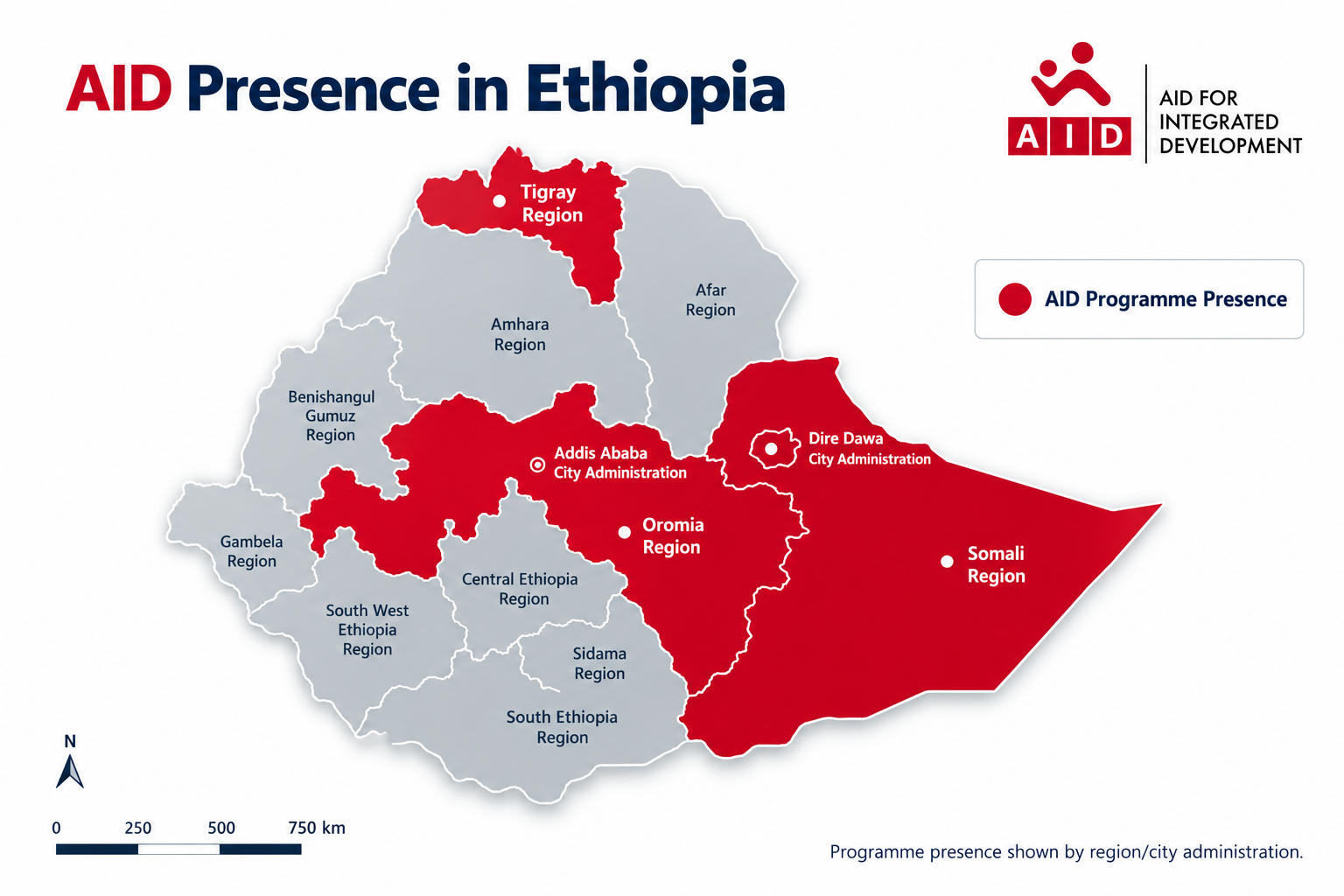
Throughout its journey, AID has tirelessly provided humanitarian aid and services, driving meaningful and lasting change. Below are some of AID's most impactful achievements.
0
Women Reached
0
Men Reached
Education and Protection
Creating Safe and Inclusive Opportunities to Learn and Thrive
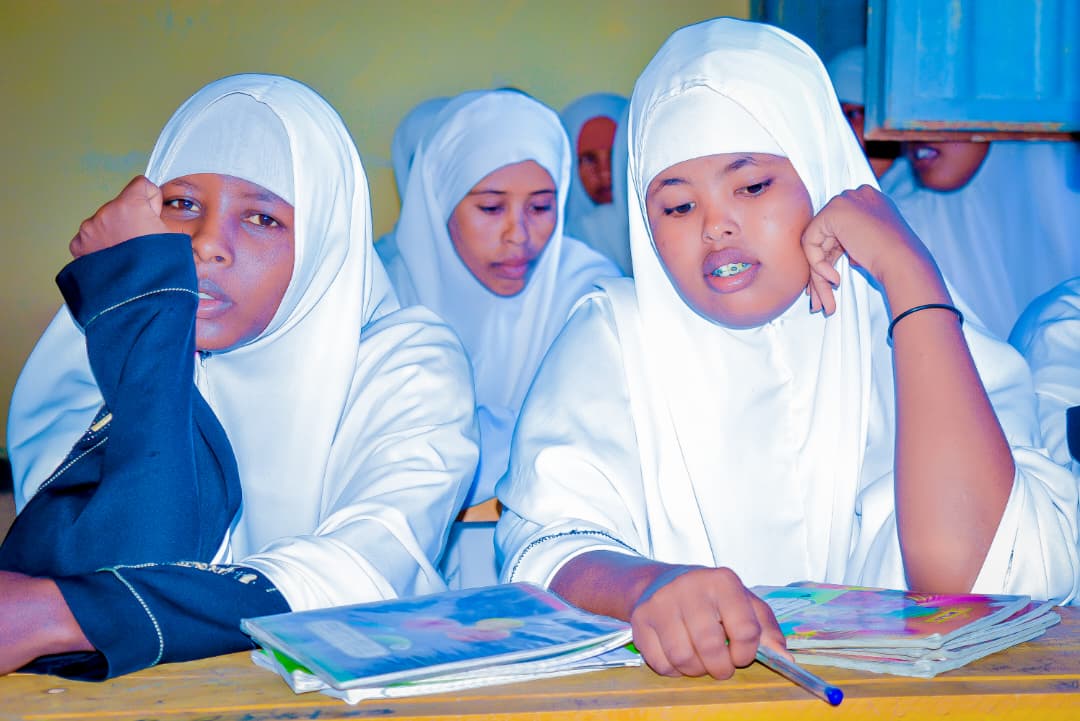
AID works with communities, government institutions, schools, and partners to expand access to inclusive and quality education while strengthening protection for children and other vulnerable people affected by crisis, displacement, and other risks.
0
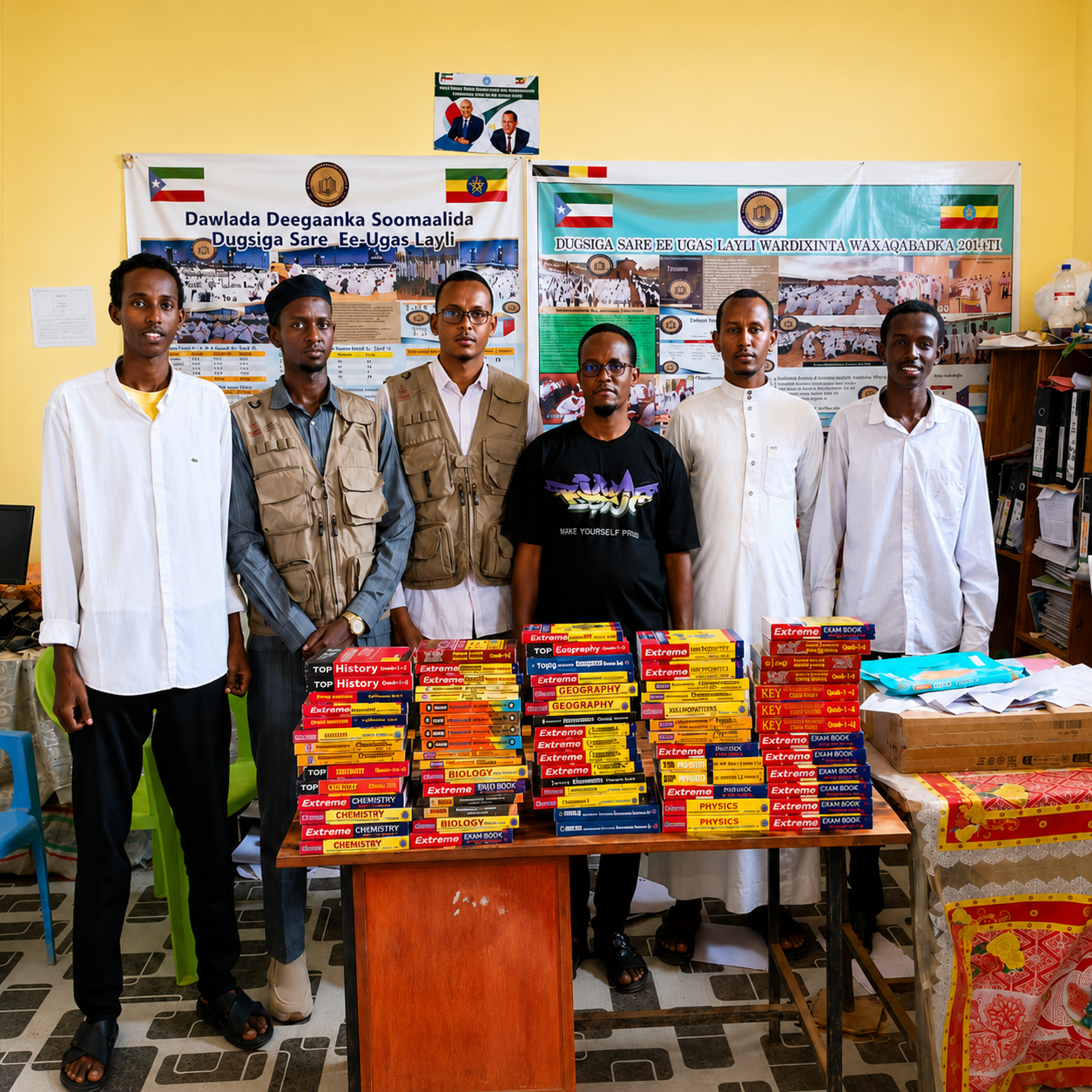
students provided with textbooks and learning materials
0
Education Personnel Strengthened
0+
School-Aged Children Supported
Health and Nutrition
Bringing Essential Health and Nutrition Services Closer to Communities
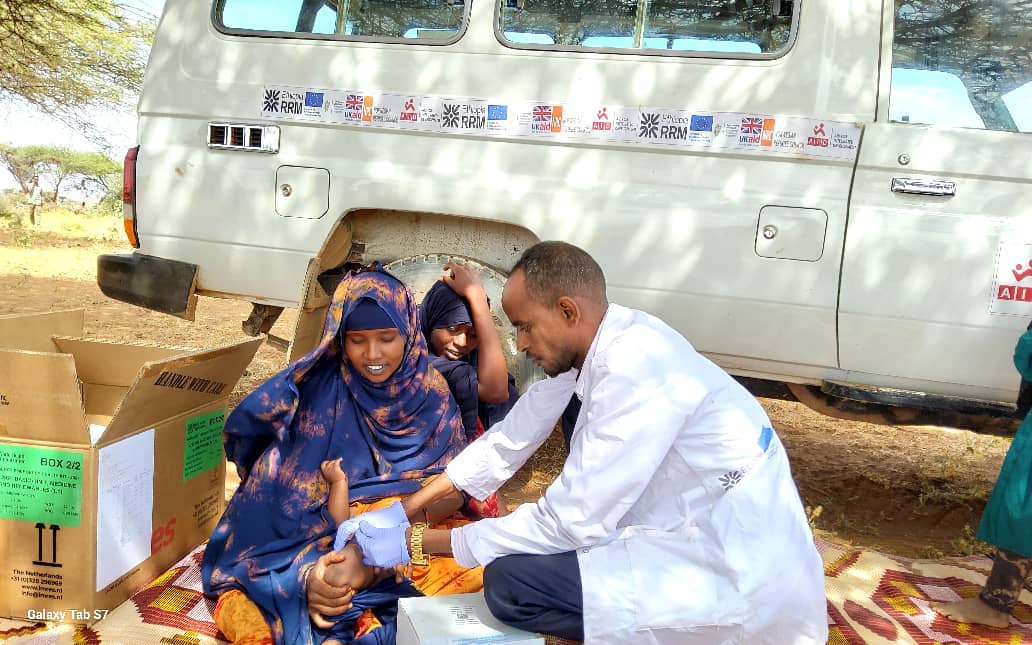
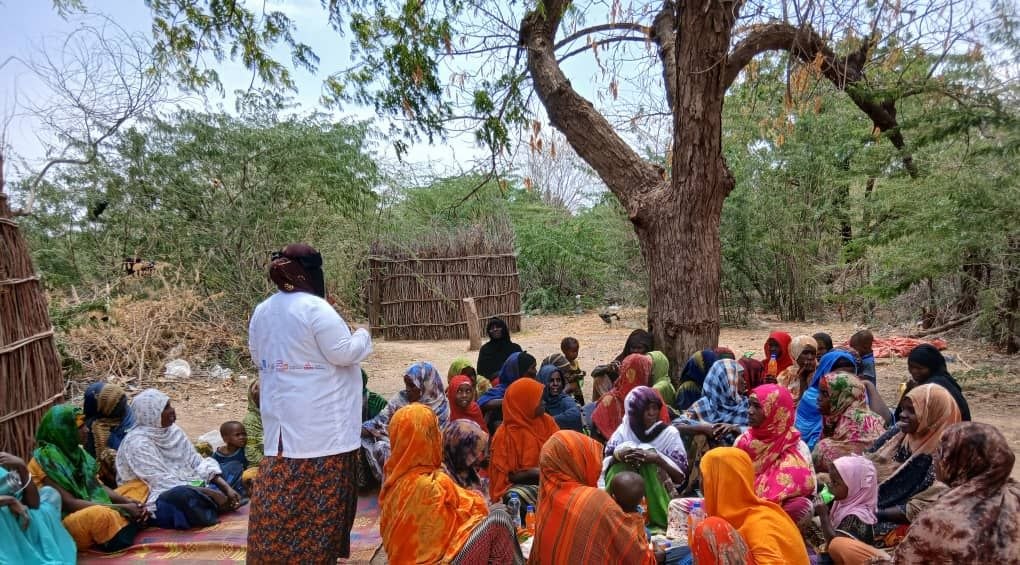
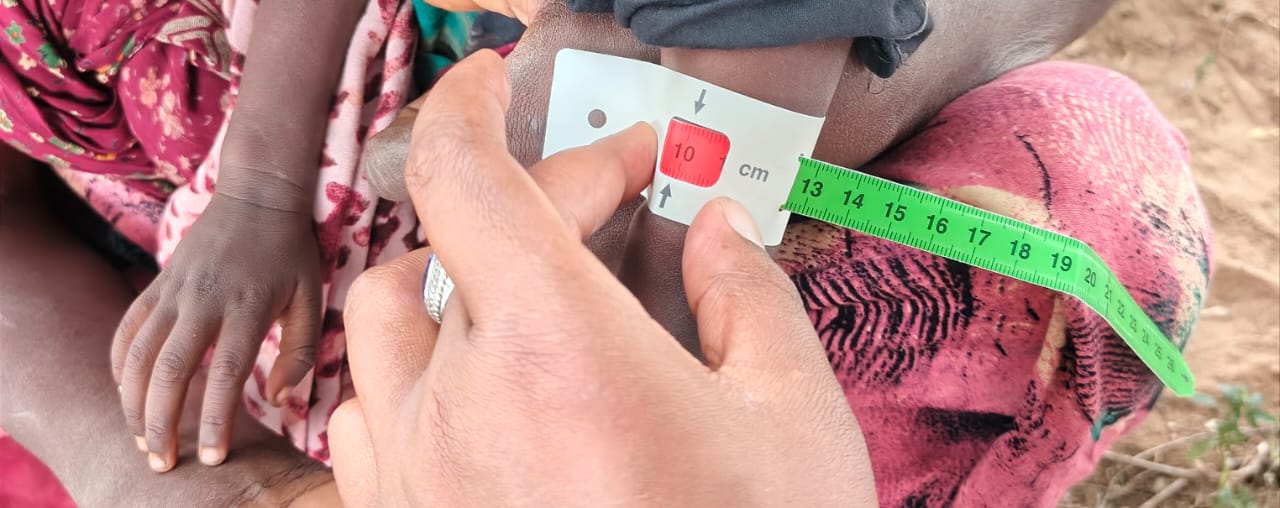
AID works to improve access to essential health and nutrition services for vulnerable and crisis-affected communities, particularly those living in hard-to-reach areas. Through health facilities, Mobile Health and Nutrition Teams, community-based services, health education, and emergency response, AID supports prevention, early identification, treatment, and referral of priority health and nutrition needs. We also strengthen local health systems through capacity building, improved infrastructure, reliable access to essential services, and community engagement.
0
Children Vaccinated
0
Mothers Supported
0
Health Professionals Trained
0
Patients reached
Food Security & Livelihoods
Strengthening Food Security and Sustainable Livelihoods
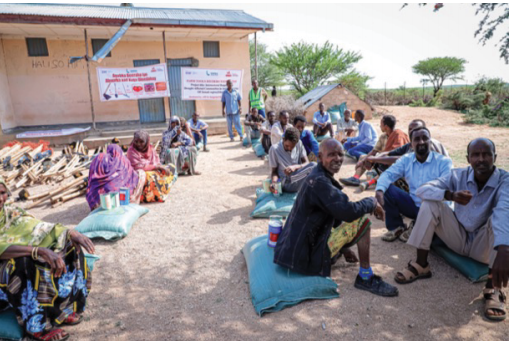
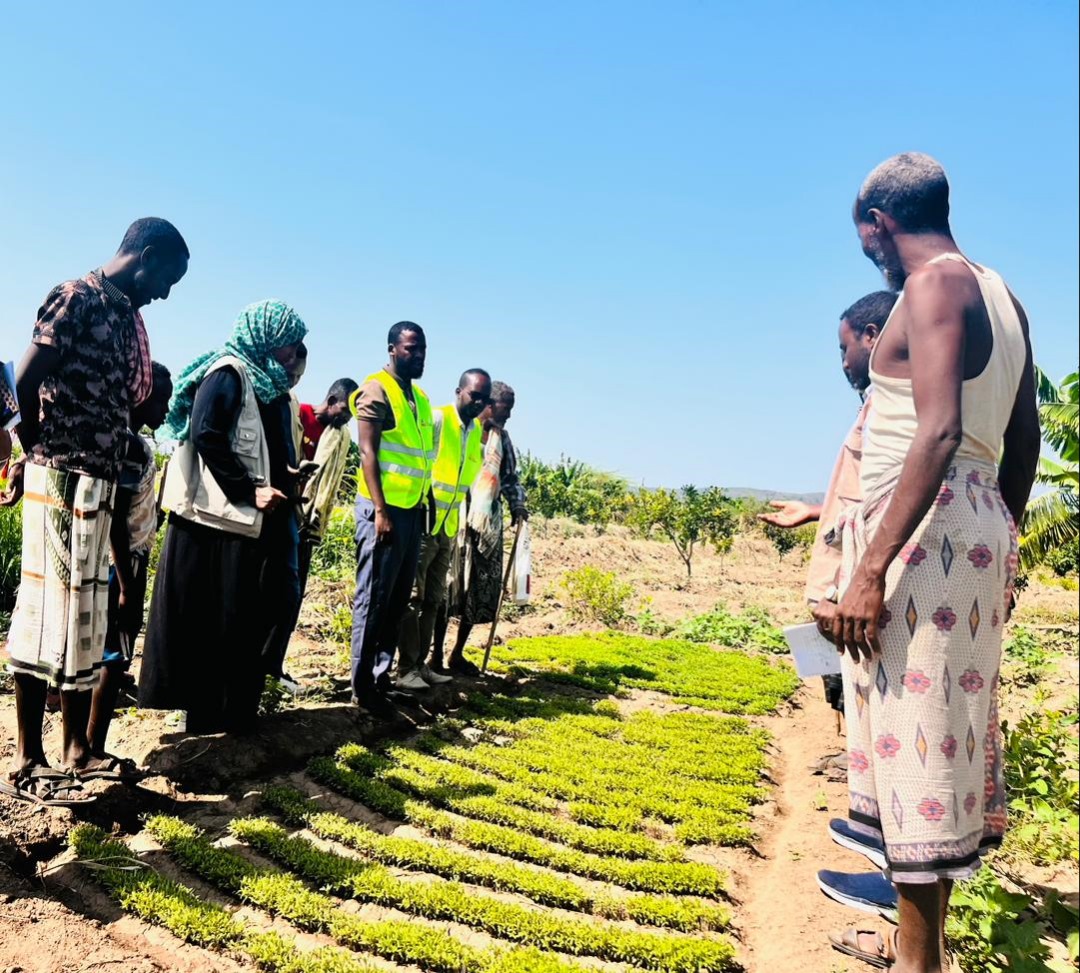
AID works with vulnerable and crisis-affected communities to improve food security, strengthen livelihoods, and build household resilience to shocks. Our programmes combine timely humanitarian assistance with longer-term livelihood support, helping families meet immediate food needs while strengthening their capacity to achieve sustainable self-reliance. Through cash-based assistance, emergency food support, agricultural inputs, livelihood assets, skills development, and climate-smart agricultural practices, AID supports households to protect their livelihoods, diversify income opportunities, and strengthen their resilience to drought, conflict, displacement, and other shocks.
0
Households Supported with Cash Assistance
0
Households Supported with Agricultural Inputs
0
Individuals Receiving Emergency Food Assistance
0
Farmers Trained in Climate-Smart Agriculture
0
Households Supported with Livelihood Assets
0
Individuals Trained in Vocational Skills
0
Women Supported with Income-Generating Activities
0
Youth Supported with Employment and Entrepreneurship Skills
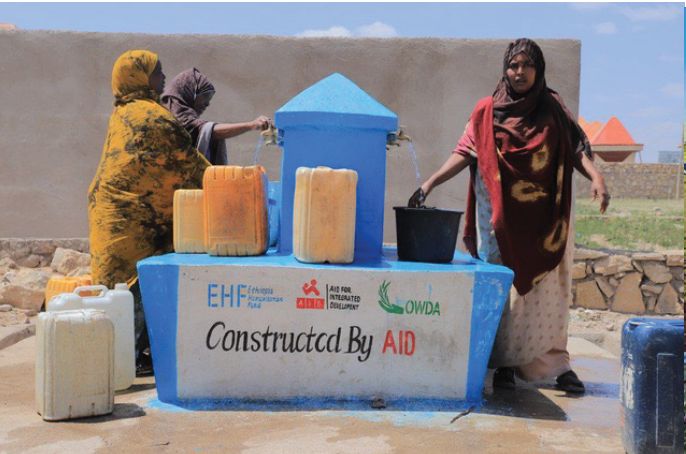
WASH and ESNFI
Safe Water, Sanitation and Essential Support for Communities
AID works to improve access to safe water, sanitation, hygiene services, and essential emergency assistance for vulnerable and crisis-affected communities. Our WASH interventions respond to local needs through the construction and rehabilitation of water infrastructure, including boreholes, shallow wells, birkas, water storage systems, solar-powered water schemes, and public water points. We also promote safe hygiene and sanitation practices and support communities with timely emergency WASH and essential non-food assistance during crises.
0
Boreholes Rehabilitated
0
Water Storage Tanks Constructed
0
People Reached with Hygiene Promotion
0
Solar Water Supply Schemes Installed
0
Birkas Constructed
0
People Reached Through Water Trucking
0
Public Water Points Constructed
0
Emergency Latrine Blocks Constructed
0
People Supported with Essential Non-Food Items